In the collection
9 records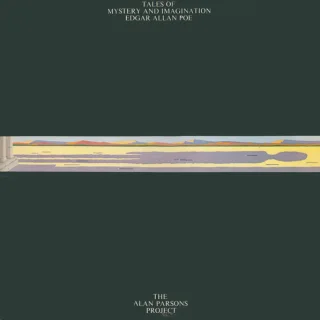 Tales Of Mystery And Imagination
The Alan Parsons Project, 1976
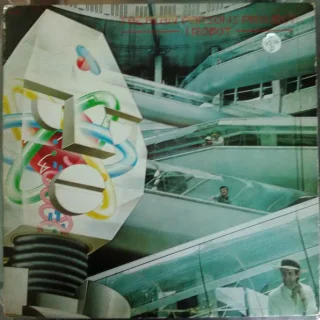 I Robot
The Alan Parsons Project, 1977
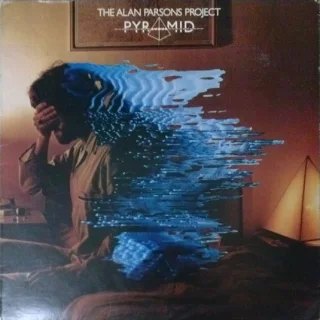 Pyramid
The Alan Parsons Project, 1978
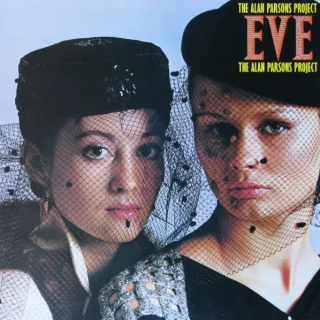 Eve
The Alan Parsons Project, 1979
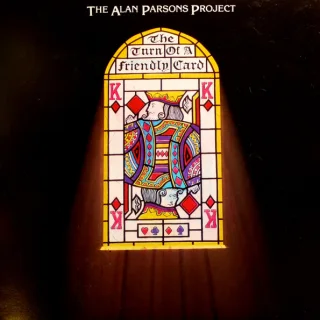 The Turn Of A Friendly Card
The Alan Parsons Project, 1980
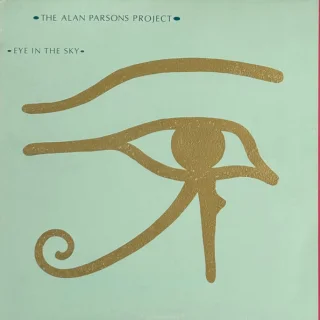 Eye In The Sky
The Alan Parsons Project, 1982
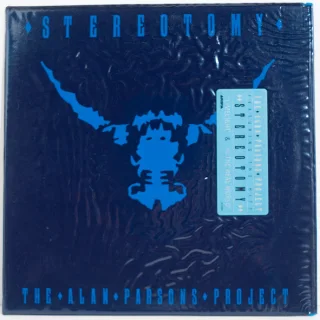 Stereotomy
The Alan Parsons Project, 1985
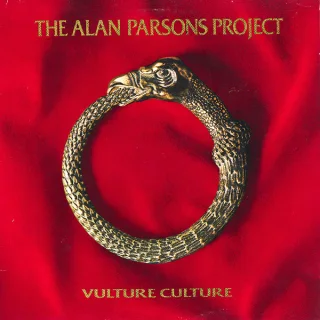 Vulture Culture
The Alan Parsons Project, 1985
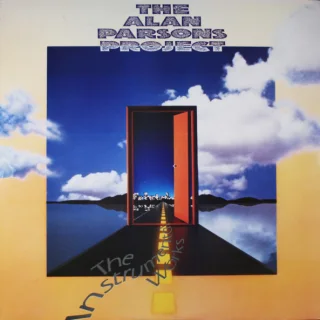 The Instrumental Works
The Alan Parsons Project, 1988
Played with
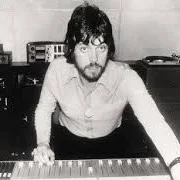 Alan Parsons
9 records together
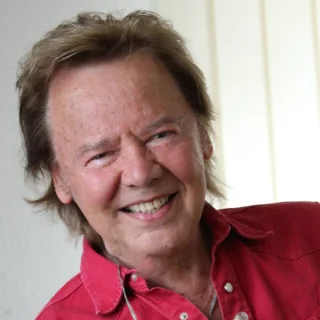 David Paton
8 records together
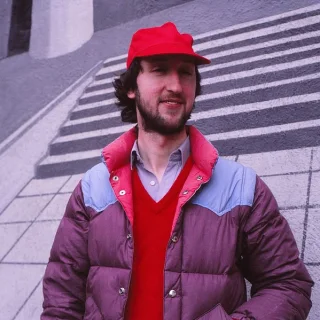 Ian Bairnson
8 records together
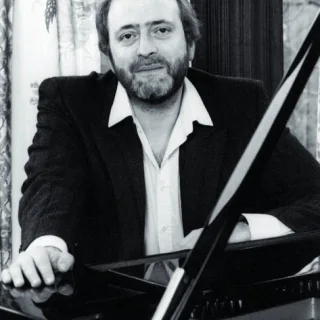 Eric Woolfson
8 records together
 Andrew Powell
7 records together
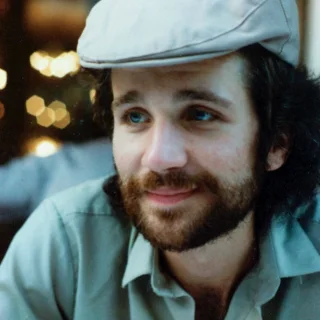 Stuart Elliott
6 records together
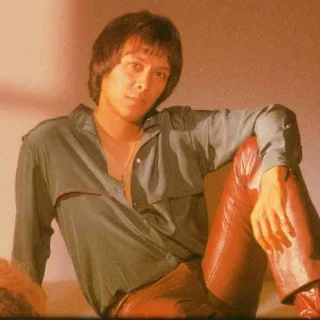 Lenny Zakatek
6 records together
 Chris Rainbow
5 records together
 Jack Harris
3 records together
The English Chorale
3 records together
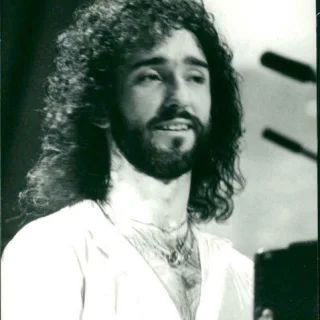 Duncan Mackay
3 records together
 Colin Blunstone
3 records together
About
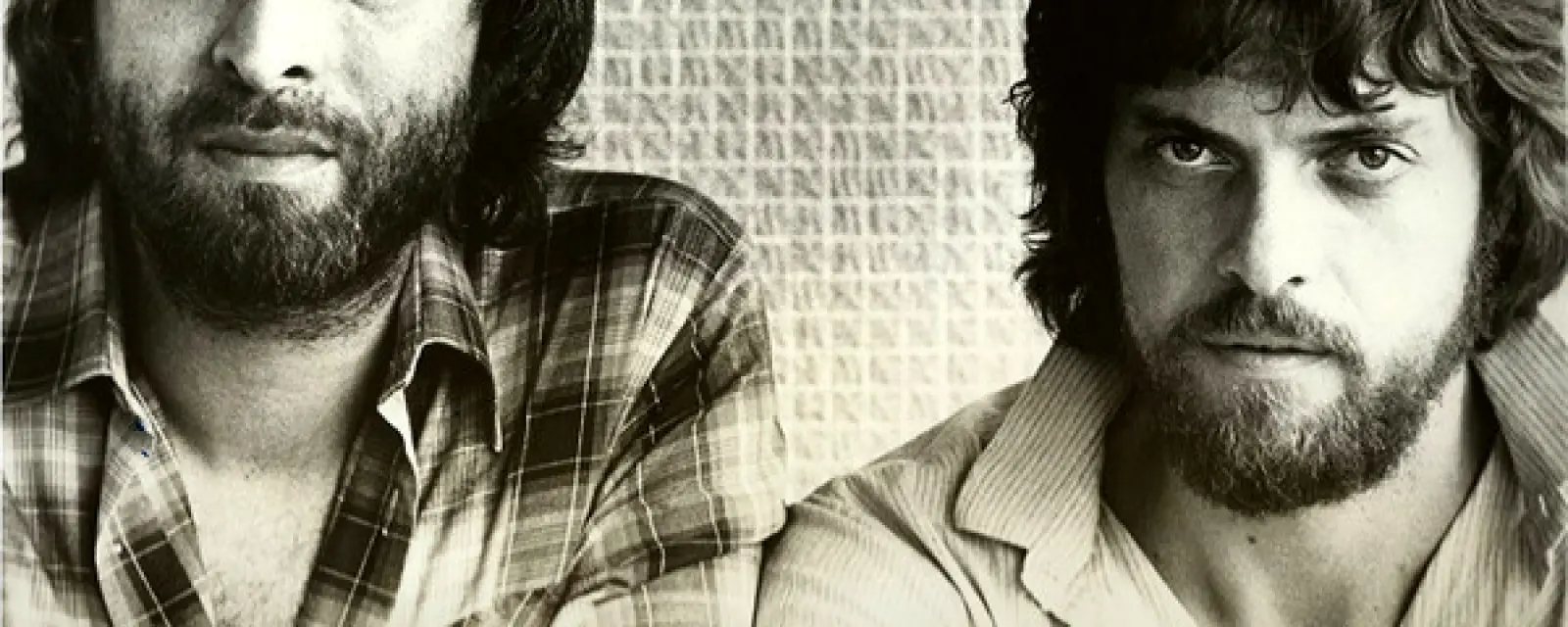
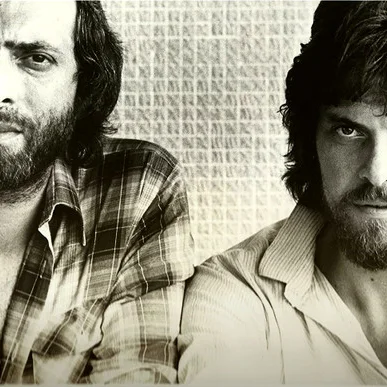
British Rock studio project initially formed to record a concept album about Edgar Allan Poe. They became best known for the power ballad “Eye in the Sky” and the instrumental “Sirius”.
Official band members
● Alan Parsons – production, engineering, programming, composition, keyboards, guitar
● Eric Woolfson – composition, lyrics, piano, keyboards, vocals, executive production
Notable contributors
● Andrew Powell – composition, keyboards, orchestral arrangements (1975-1990)
● Philharmonia Orchestra
● The English Chorale – choir (1976, 1977, 1982, 1987)
● Ian Bairnson – guitar (1975–1990)
● David Pack – guitar
● David Paton – bass, vocals (1975–1985)
● Duncan Mackay – keyboards (1977–1979)
● Richard Cottle – keyboards, saxophone (1984–1990)
● Laurence Cottle – bass (1987-1990)
● Stuart Tosh – drums, percussion (1975–1976)
● Stuart Elliott – drums, percussion (1977–1990)
● John Leach – cimbalom, kantele (1976–1978)
● Colin Blunstone – vocals (1978–1984)
● Chris Rainbow – vocals (1979–1990)
● Lenny Zakatek – vocals (1977–1987)
● John Miles – vocals (1976, 1978, 1985, 1987)
● Jack Harris – vocals (1976–1978)
● Dave Townsend – vocals (1977, 1979)
● Elmer Gantry a.k.a. Dave Terry – vocals (1980, 1982)
● Graham Dye – vocals (1985, 1990)
Non-recurring vocalists include: Arthur Brown, Allan Clarke, Peter Straker, Jaki Whitren, Dean Ford, Clare Torry, Lesley Duncan, Gary Brooker, Geoff Barradale, Eric Stewart
Notable instruments: Projectron - A device built by Alan Parsons as an analog sample playback device, similar in general concept to a Mellotron. The Projectron consisted of a 24-track tape machine, with each playback channel routed to a voltage controlled amplifier; each VCA was in turn gated by a key of an attached keyboard. The device was used on the albums I Robot, Pyramid, and The Turn of a Friendly Card. But preparing tapes was a cumbersome process and the device was maintenance-intensive, so as soon as a Fairlight CMI became available to Parsons, he switched his sampling activities to that. Parsons scrapped the Projectron sometime after 1980, and no photos of it are known to have survived.