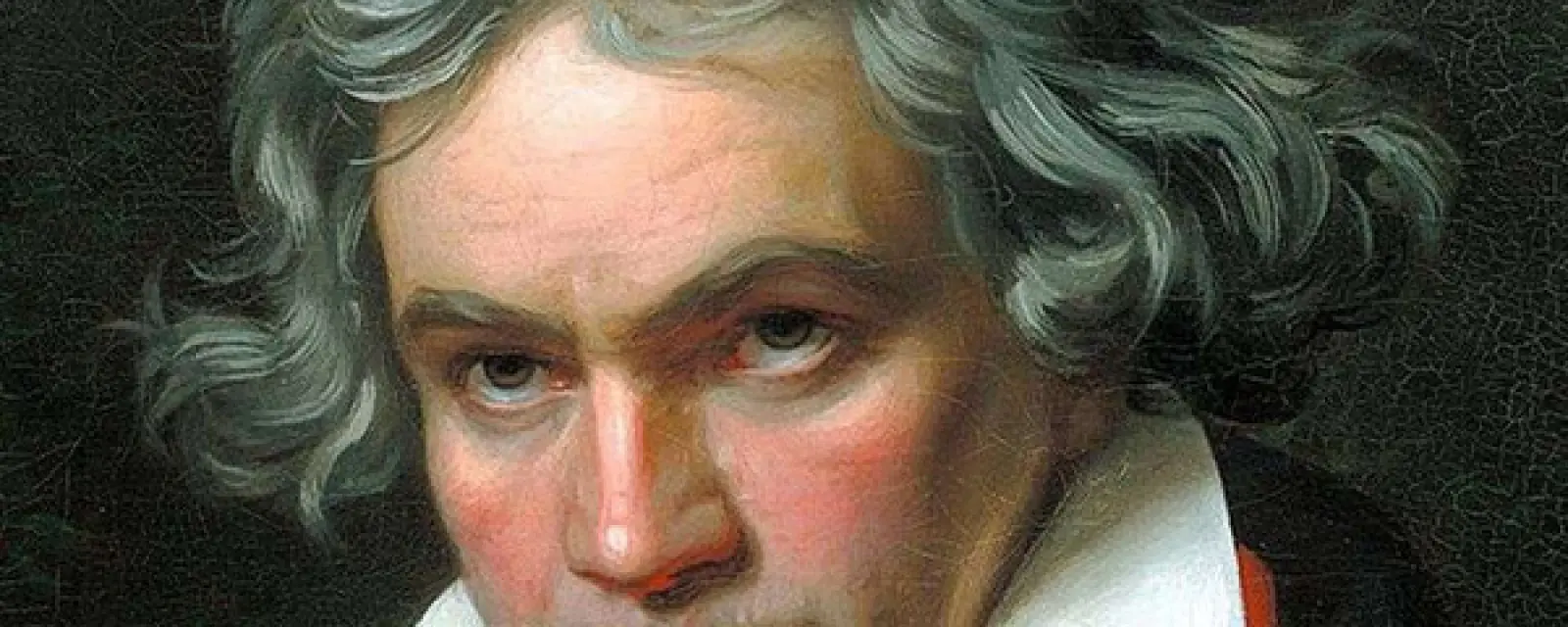
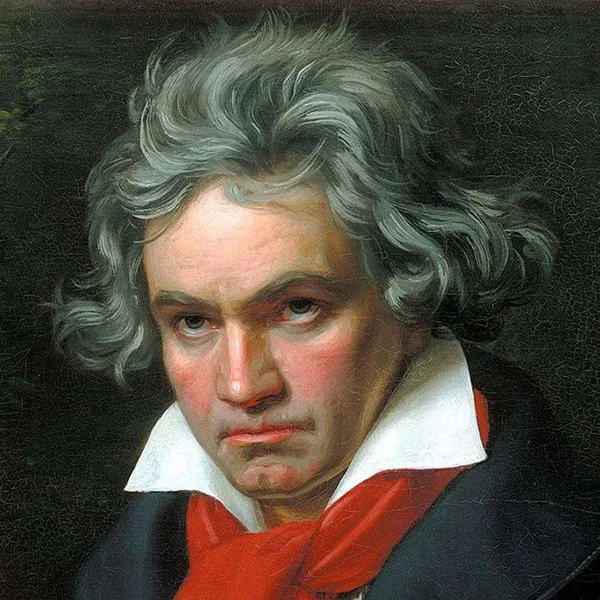
Ludwig van Beethoven
In the collection
9 records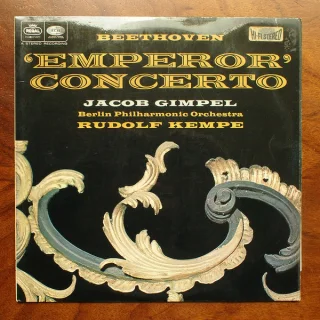 Emperor Concerto
Beethoven ; Jakob Gimpel, Berlin Philharmonic Orchestra, Rudolf Kempe, 1959
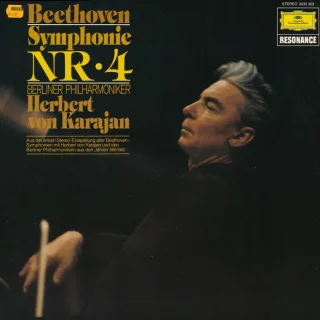 Symphonie Nr. 4
Beethoven - Berliner Philharmoniker · Herbert von Karajan, 1963
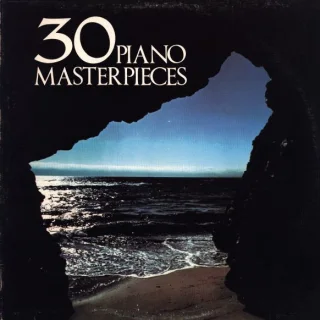 30 Piano Masterpieces
Various, 1971
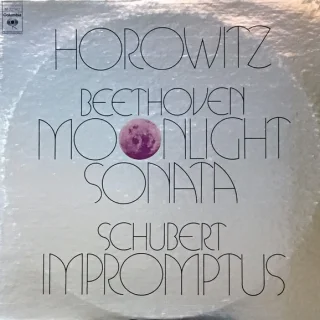 Moonlight Sonata / Impromptus
Horowitz - Beethoven / Schubert, 1973
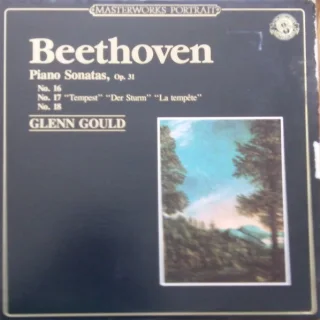 Piano Sonatas, Op. 31
Beethoven, Glenn Gould, 1973
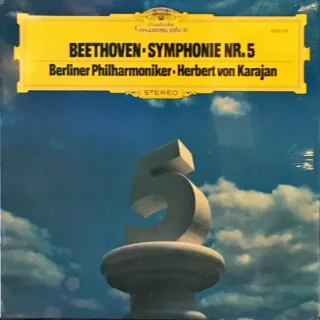 Symphonie Nr. 5 C-Moll Op. 67
Beethoven - Berliner Philharmoniker, Herbert von Karajan, 1977
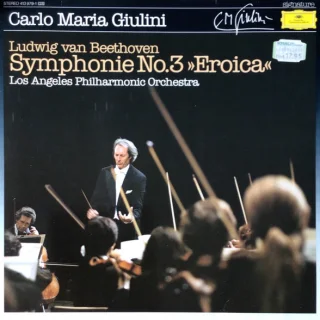 Symphonie No. 3 “Eroica”
Beethoven, Los Angeles Philharmonic Orchestra, Carlo Maria Giulini, 1979
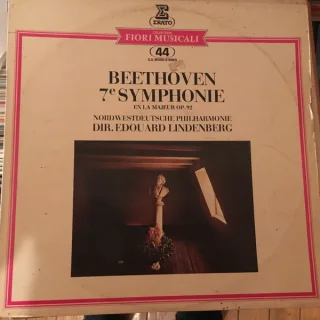 7e Symphonie En La Majeur Op. 92
Ludwig van Beethoven, Nordwestdeutsche Philharmonie , Dir. Edouard Lindenberg
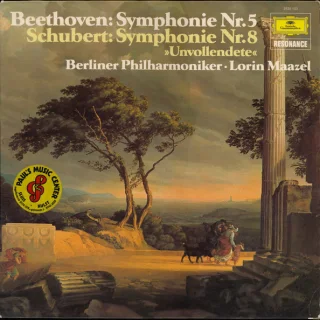 Beethoven: Symphony Nr.5 / Schubert: Symphony Nr.8 »Unvollendete«
Beethoven / Schubert - Berlin Philharmonic Orchestra, Lorin Maazel
Played with
 Berliner Philharmoniker
4 records together
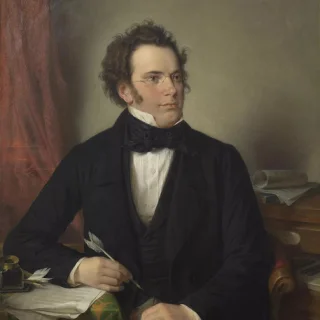 Franz Schubert
3 records together
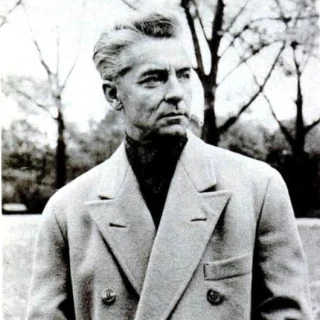 Herbert von Karajan
2 records together
 Vladimir Horowitz
1 record together
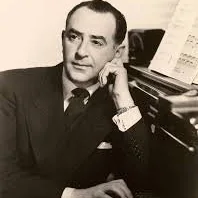 Jakob Gimpel
1 record together
 Rudolf Kempe
1 record together
 Los Angeles Philharmonic Orchestra
1 record together
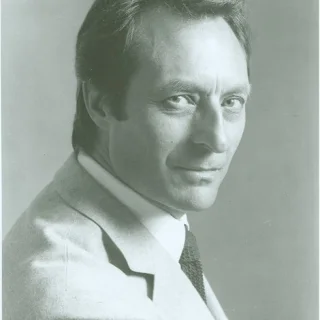 Carlo Maria Giulini
1 record together
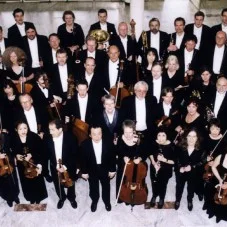 Nordwestdeutsche Philharmonie
1 record together
 Edouard Lindenberg
1 record together
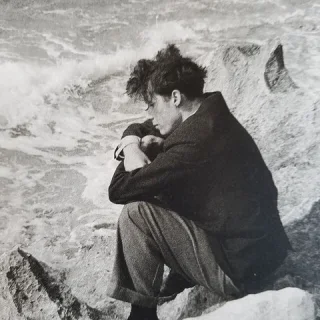 Glenn Gould
1 record together
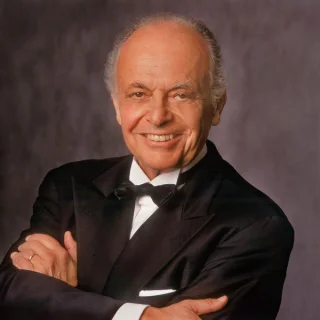 Lorin Maazel
1 record together
About
German composer and pianist, born in 1770 (baptized 17 December 1770) in Bonn, Electorate of Cologne and died 26 March 1827 in Vienna, Austrian Empire.
A crucial figure in the transition between the Classical and Romantic eras in classical music. Beethoven led Viennese Classicism to its highest development and paved the way for Romantic music.
Beethoven was the eldest son of a singer in the Kapelle of the Archbishop-Elector of Cologne and grandson of the Archbishop’s Kapellmeister. He moved in 1792 to Vienna, where he had some lessons from Haydn and others, quickly establishing himself as a remarkable keyboard-player and original composer. By 1815 increasing deafness made public performance impossible and accentuated existing eccentricities of character, patiently tolerated by a series of rich patrons and his royal pupil the Archduke Rudolph.
Beethoven did much to enlarge the possibilities of music and widen the horizons of later generations of composers. To his contemporaries he was sometimes a controversial figure, making heavy demands on listeners both by the length and by the complexity of his writing, as he explored new fields of music.